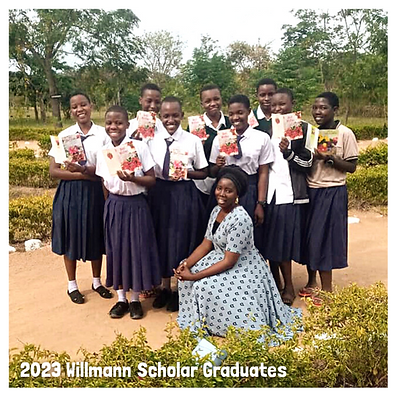
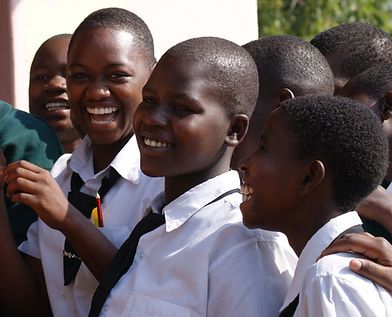
When a Girl Gets to Simply Study

I’ve been sitting with some data that genuinely moved me.

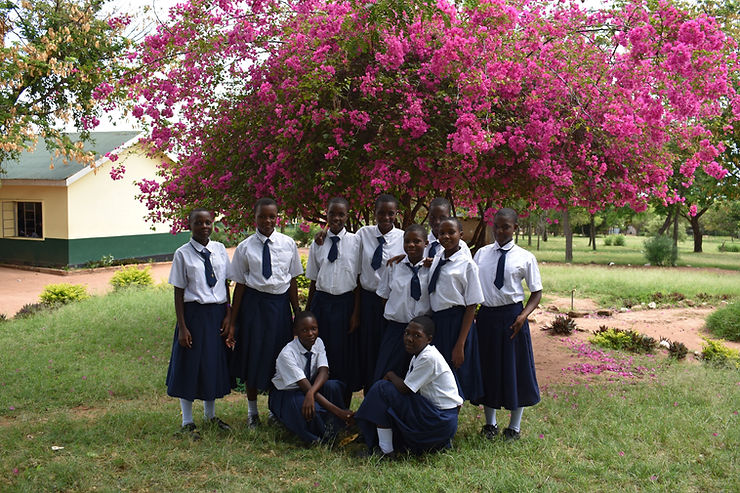
As a board member and chair of the evaluation committee at Tanzania Development Support (TDS), I recently reviewed the latest academic results for our Rose Willmann Scholarship Program. The numbers are extraordinary. But before I share them, I want to tell you something about what they actually mean. Because behind every data point is a girl who was handed something rare and precious: the simple freedom to focus on her studies.

That is what this scholarship does. And it turns out, when you give a girl that freedom, she soars.

“Angalia Kilicho Muhimu”

This is a Swahili expression that translates toย “look at what is important.”ย It is a phrase that guides our work at TDS, and it is the right place to start any story about what we do in the rural Mara region of Tanzania.

Tanzania Development Support is a small but mighty nonprofit organization based in DeKalb, Illinois, with deep roots and deep partnerships in the Musoma-Mara region of Tanzania. Our mission is straightforward: to invest in sustainable, community-identified educational improvements for youth, especially girls, in one of the most underserved regions of the country.

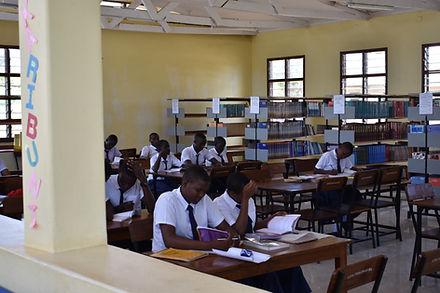
We do this through three interconnected programs. The Madaraka Nyerere Library and Community Resource Center (LCRC) is home to more than 40,000 books, including the largest collection of Kiswahili-language books in any community library in Tanzania, and serves as the heart of our educational ecosystem. The 4H Career Pathways Program engages over 600 students each year in hands-on learning, school gardens, entrepreneurship, and life skills development. And the Rose Willmann Scholarship Program sends gifted girls from economically disadvantaged families to secondary boarding school, changing the trajectory of their lives.

All three programs are connected. All three are guided by the belief that education is not charity. It is investment. And it compounds.

A Place to Grow and Thrive

In rural Tanzania, the path to secondary school for a girl is rarely simple. Without a scholarship, most girls from economically disadvantaged families face an unforgiving set of obstacles: schools with few resources, domestic responsibilities that compete with study time, and in some cases, long and dangerous walks to school each day. Boarding school changes the equation entirely. It provides safety, stability, time, and an environment designed for learning.

The Rose Willmann Scholarship covers all four years of secondary school for just $900 per year per student. That includes tuition, room and board, feminine hygiene products, school supplies, and membership to the LCRC library and computer lab. Sponsors commit to funding a girl’s entire secondary education, ensuring she doesn’t lose her place mid-journey. Since the program launched in January 2019, 69 girls have been Willmann Scholarship recipients, with 40 currently enrolled.

The selection process is rigorous and community-rooted. Head teachers from primary schools across the Musoma Rural District identify candidates based on academics, discipline, motivation, and financial need. LCRC staff conduct screening exams and interviews, assessing not just knowledge but confidence, self-efficacy, and future aspirations. Joyce Masso, our remarkable LCRC Director, meets with each girl’s family personally to explain expectations, validate need, and match the student to a school. There are always more qualified girls than scholarships. That reality is both heartbreaking and clarifying: it tells us the need is real, and the program is reaching the right young women.

The Numbers That Stopped Me

This year, the TDS Evaluation Committee completed a comprehensive analysis of national examination results for scholarship recipients across two partner schools, Nyegina Secondary School and ACT Bunda Girls Secondary School, covering 2024 and 2025 with historical context going back to 2018.

Tanzania’s national examinations are administered by the National Examination Council (NECTA) and are the primary measure of secondary school achievement. Students are ranked in Divisions I through IV, with Division I representing the highest level of performance.

Here is what we found.

At ACT Bunda Girls Secondary School, our scholarship recipients achievedย 100% Division I resultsย on the 2025 Form Two national examinations. The school’s overall Division I rate that year was 23%. Our girls outperformed the broader school population by 77 percentage points.

At Nyegina Secondary School, scholarship recipients sitting the 2025 Form Four examinations, the culminating O-Level national exam, achievedย 100% Division I. The school-wide rate was 60%. Every one of those young women is now on track for Form Five or college placement.

This is not a single good year. It is a pattern.

Across every year tracked from 2018 through 2025 and across both schools, scholarship recipients have consistently outperformed the general student population at the Division I level. In 2023, all 12 Nyegina scholarship recipients who sat Form Two achieved Division I, a 100% result compared to 52% school-wide. In 2024, 100% of our Form Four graduates at Nyegina were selected for Form Five or college placement.

The hypothesis at the heart of this program, that removing financial hardship from a girl’s path will allow her to excel academically, is supported year after year by the data.

What the Girls Say

Data tells one kind of story. The girls’ own words tell another.

The scholarship recipients are encouraged to write to their sponsors, and their letters, sometimes arriving slowly given the internet connectivity challenges in rural Mara, are quietly extraordinary.

“I have peace because I am not walking many miles every day to go to school. I am in boarding and I have enough time to study and learn many things from teachers and my fellow students.”

“If you would not be you, I would never reach here I am.”

“Because of your support, I learnt many things which helped me, not only about studies but also about life skills. How to manage time, how to prepare my future, how to live with others.”

“I like to share with you about my future dream, which is to be a nurse.”

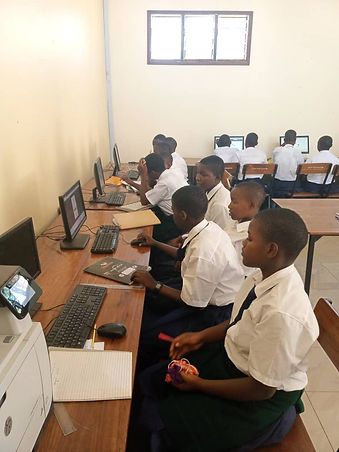
These are not abstract beneficiaries of a program. They are young women with ambitions, with voices, with futures that are opening in real time. One wants to be a nurse. One wants to be an engineer. One is teaching her government-school friends how to use a computer because her boarding school has one and theirs does not. She writes:ย “My parents also they see changes to me.”

That last sentence is worth sitting with. Because when a girl’s parents see changes, when a community begins to see the value of educating their daughters, something larger than one scholarship has shifted. The Bukwaya community, a collection of villages in the Mara region, is increasingly recognizing the importance of girls’ education. The scholarship program is not just changing individual trajectories. It is slowly changing a culture.

The Work Ahead

We celebrate these results. And we stay honest about what more needs to be done.

Our evaluation work has revealed consistent weaknesses in specific subjects. Mathematics in particular shows recurring lower grades among scholarship recipients, mirroring a national challenge in Tanzania. We are recommending targeted tutoring, peer study groups, and an early warning system to identify girls who are struggling before national examinations arrive. We want to catch difficulties early, when intervention is still possible.

We are also watching closely as ACT Bunda Girls’ first Form Four cohort, students who entered Form One in 2022, prepares for their culminating national exams. Their Form Two results have been exceptional. The Form Four results will be a landmark data point for the program.

And we are continuing to build our evaluation infrastructure, because we believe that the most respectful thing we can do for our donors, our partners, and the girls themselves is to keep measuring honestly, celebrating what works and fixing what doesn’t.

Look at What Is Important

The girls in the Mara region cannot wait for governments to get it right. With USAID dismantled and international development funding increasingly uncertain, the responsibility falls to organizations like TDS and the donors who believe in this work.

We are a lean organization. The TDS board has stepped directly into program management and fundraising, giving more of every donated dollar to the girls in Tanzania. A $900 annual commitment sponsors a girl’s entire year at boarding school. Over four years, it can change the direction of her life.

If you believe in the power of girls’ education, if you believe that a young woman in the Mara region of Tanzania deserves the same chance to simply study that girls in other parts of the world take for granted, we would love your support.

Visit us atย www.tdsnfp.orgย to learn more, donate, or become a sponsor.

And to every Willmann Scholar, past and present: we see you. We are proud of you. Keep going.

Tanzania Development Support (TDS) is a registered 501(c)(3) nonprofit organization based in DeKalb, Illinois. All programs are implemented through community partnerships in the Mara region of Tanzania. For more information, visitย www.tdsnfp.org.

About Renรฉe

Renรฉe Jones is the Founder and CEO of Red Hills Consulting Group, a boutique management consulting firm specializing in strategy, execution, and organizational transformation.

With more than two decades of experience advising Fortune 500 companies, nonprofits, and mission-driven organizations, Renรฉe works with leadership teams navigating growth, transition, and increasing complexity. Her focus is on building the structure behind the strategy. That means clarifying governance and decision rights, defining operating models that can scale, and developing the execution discipline required to move from vision to sustained impact.

She is the creator of the Red Hills Action Labโ„ข, a structured diagnostic experience that helps leadership teams pressure-test execution readiness before problems become visible.

Renรฉe believes the most sophisticated strategies are not the most complex. They are the most causally clear. And the difference between something that launches and something that lasts is almost always structural.

Red Hills Consulting Group exists to close that gap.
๐Ÿงณ From Manchester to Kingston: A Journey Through Legacy, Literacy, and Love

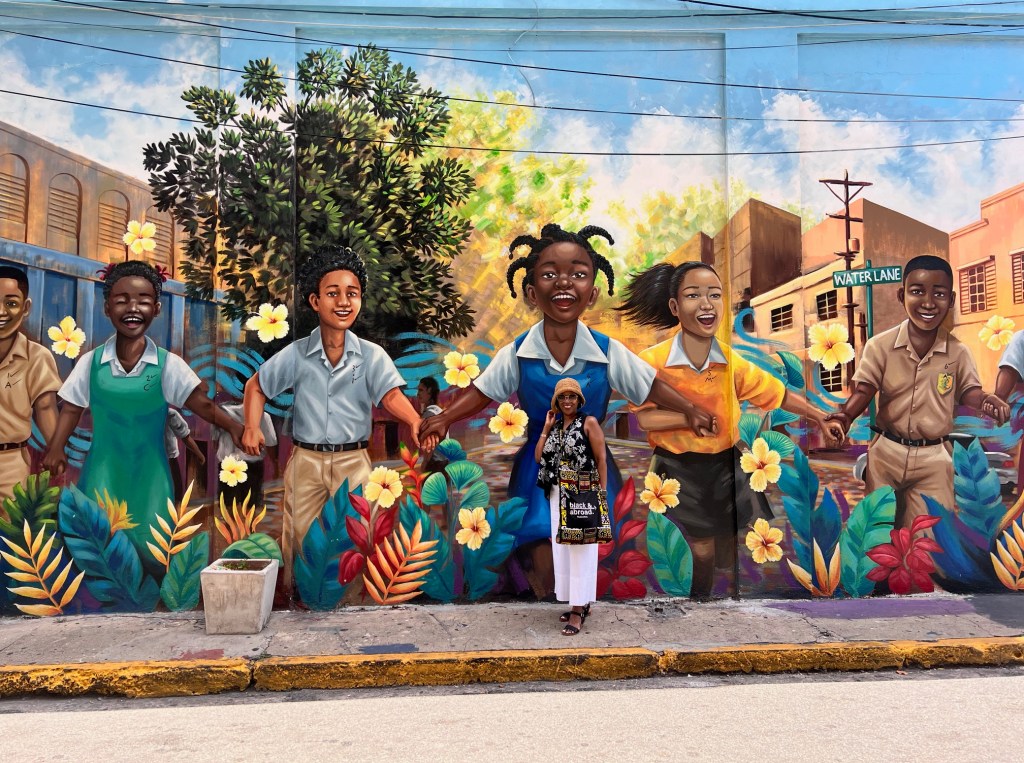
Surrounded by the spirit of youth and resilienceโ€”Water Lane Mural in downtown Kingston, celebrating the beauty and promise of Jamaicaโ€™s next generation.

Earlier this month, I traveled to Jamaica for my Grand Aunt Alvaโ€™s homegoing service. She lived to be 106 years oldโ€”a life filled with wisdom, love, and quiet strength. Her passing brought our family together in Mandeville, where we gathered to celebrate her remarkable life. While it was a solemn occasion, it was also a homecoming of sortsโ€”an opportunity to walk the paths of my familyโ€™s past and reflect on the legacies that shaped who I am.

While in Jamaica, we spent a meaningful day in Oxford, Manchesterโ€”a rural farming community about 60 miles from the capital city of Kingstonโ€”where my father grew up. It was there that we retraced his roots, visited his childhood school, and honored the legacy he left behind.

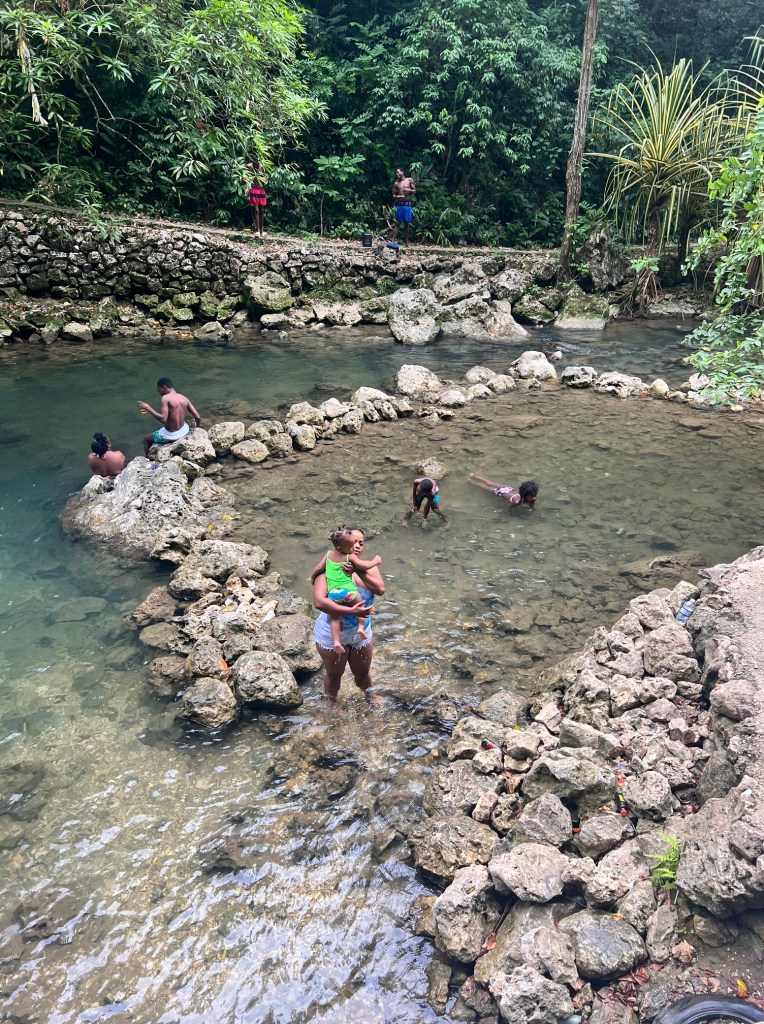
Always a treat to visit Noisy River – Oxford, Manchester, JA – where the water sings and the vibes are unforgettable

One of the most meaningful stops was Comfort Hall All-Age School, where my father began his educational journey. As a boy, he would sit under the mango tree with his books, determined to make something of himself. One of the elders in the community, who knew him as a child, recalled, โ€œHe was different. Always studying. You could just tell he would go far.โ€

And he did.

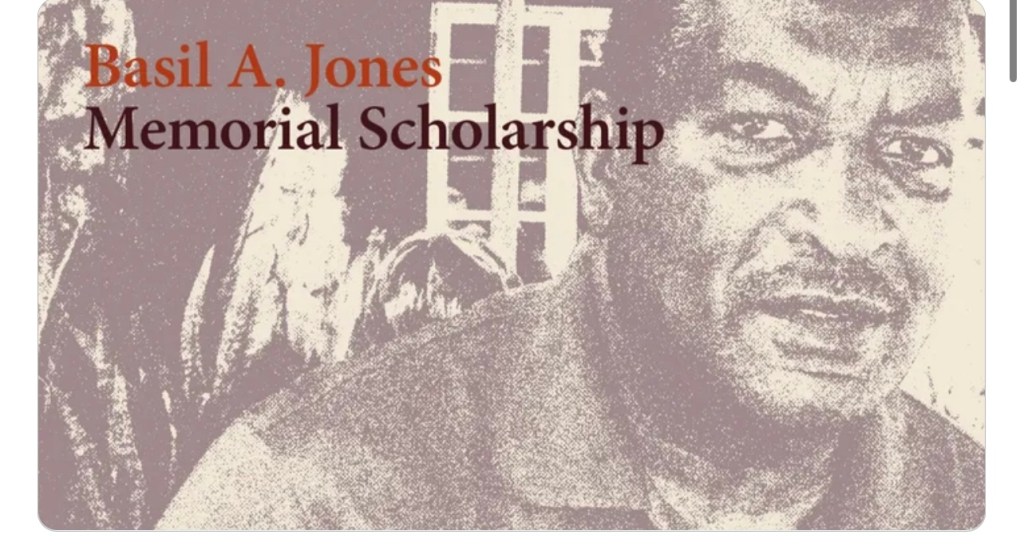
My father would go on to complete his education in Kingston and graduate from the University of the West Indies, Mona, but he never forgot where it started. He often spoke of Comfort Hall with fondness and gratitude, and over the years, he supported the school through donations and supplies. After his passing in 2024, my brother established the Basil A. Jones Memorial Scholarship in his honorโ€”because what better way to honor his memory than to invest in the future of the very place that shaped him.

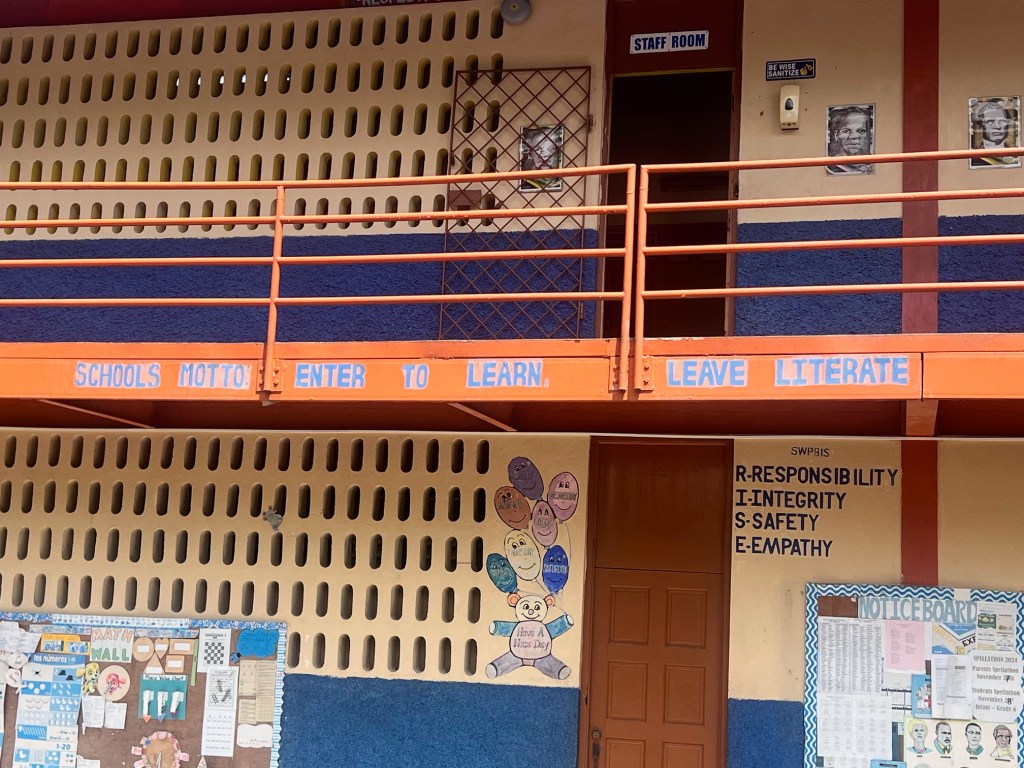
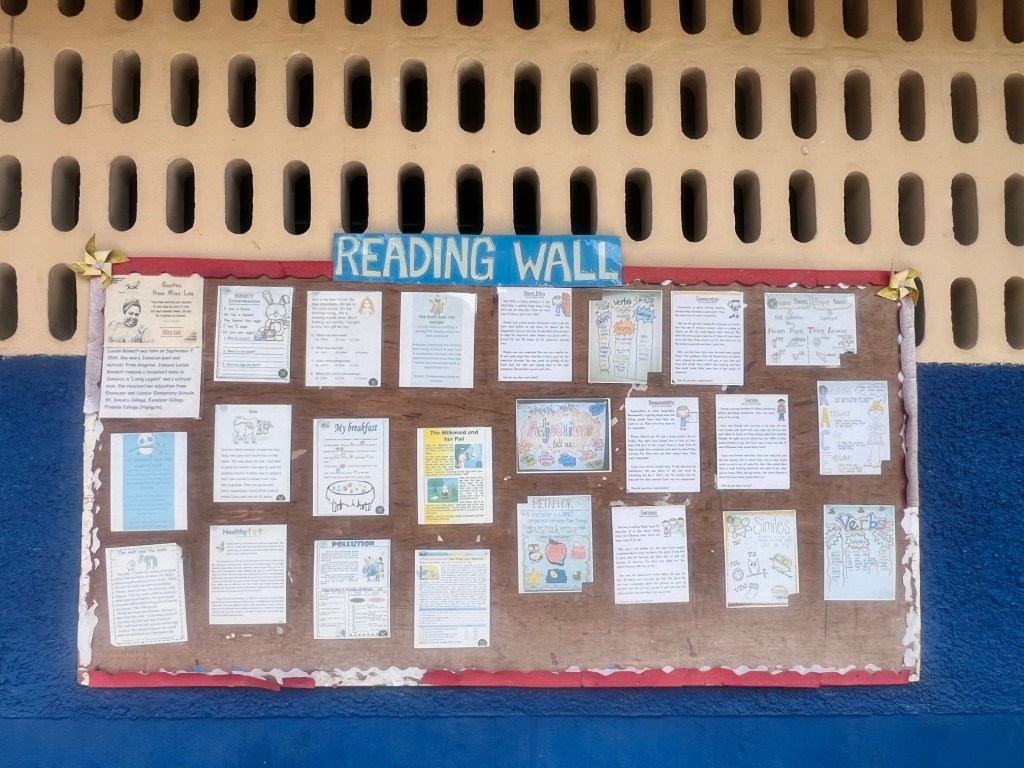
While visiting the school, I was moved by their commitment to literacy. A large Reading Wall, proudly displayed on campus, showcases student work and learning activities that reflect their joy in reading and writing. Just above it, the schoolโ€™s motto is painted across the upper balcony:

ENTER TO LEARN โ€” LEAVE LITERATE

โ€œEnter to Learn, Leave Literateโ€ โ€” a powerful reminder of whatโ€™s possible when education is rooted in purpose and community. Comfort Hall All-Age School, Oxford, Jamaica.

I stood in front of it, struck by how deeply it aligned with the work we do at Tanzania Development Support (TDS)โ€”where literacy, particularly for girls in rural communities, is at the heart of our mission. In both Comfort Hall and Tanzania, literacy is not just an educational benchmark. Itโ€™s a pathway to equity, independence, and hope.

A wall that speaks volumesโ€”showcasing student voices, creativity, and a love of reading at Comfort Hall All-Age School in rural Jamaica.
My brother and I with the current Principal of Comfort Hall Primary School – Ms. Nicholson, thanking her for her dedication and commitment to young people and education, and her support in administering our father’s scholarship to deserving students

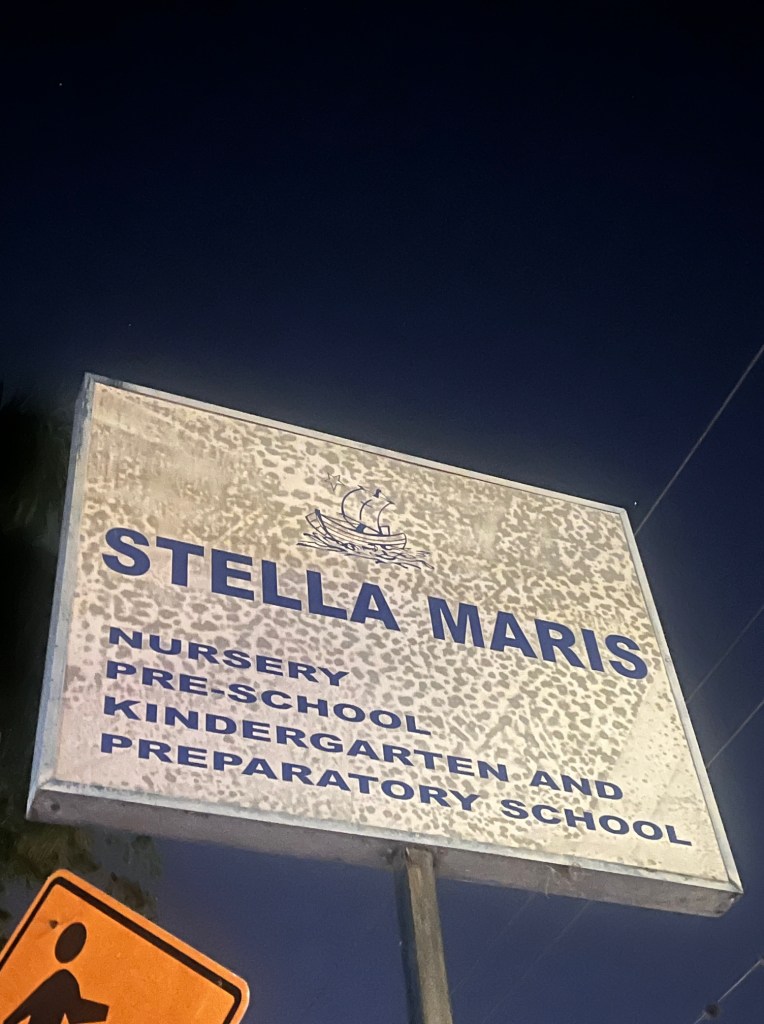
The journey didnโ€™t end in Manchester. I later traveled to Kingston, where I visited my childhood school, Stella Maris Preparatory. While I didnโ€™t get a chance to explore the grounds in full, just standing outside the gates brought back memories of school uniforms, morning assemblies, and the early seeds of curiosity that would shape my future.

A glimpse of my early beginningsโ€”Stella Maris Preparatory School in Kingston, where my love for learning first took root.

This trip reminded me that education is more than a formal experienceโ€”itโ€™s a deeply personal, cultural, and community-driven force. It shows up in the aunties who model lifelong learning. In the children proudly pointing to their work on a reading wall. In the mango trees that shaded my fatherโ€™s dreams, and in every initiative I support that centers literacy, empowerment, and opportunity.

These placesโ€”and the people who shaped themโ€”remind me why I do what I do.

About Renรฉe
Renรฉe Jones is the Founder and Principal Consultant at Red Hills Consulting Group, where she leads strategic, operational, and transformational initiatives for Fortune 500 companies, nonprofits, and mission-driven organizations. With more than 20 years of experience leading complex initiatives, Renรฉe helps organizations turn bold ideas into lasting impact. Outside of work, she mentors emerging leaders and champions social-impact innovation. https://redhillsconsultinggroup.com

Why Literacy Matters: The First Step Toward Lifelong Learning

By Renรฉe Jones | Board Member, Tanzania Development Support

This article was authored by Renรฉe Jones, in her role as a Board Member of Tanzania Development Support (TDS). Red Hills Consulting Group is proud to support education equity and community-driven development.

In communities around the world, the ability to read and write is often taken for granted. Yet for many children in rural Tanzaniaโ€”and in countless underserved regions globallyโ€”literacy is not a given. It is a life-altering milestone: the first step on the path to lifelong learning, economic empowerment, and social mobility.

Literacy Is the Gateway

Literacy is the first academic skill children must master, but its importance goes far beyond the classroom. A literate child becomes a confident learner. A literate girl is better equipped to understand her rights, navigate systems, and make informed decisions. A literate parent is more likely to support their childโ€™s education, prioritize healthcare, and build economic stability for their family.

In essence: literacy unlocks everything.

In rural Tanzania, education can be a lifelineโ€”but for most children, especially girls, itโ€™s a path filled with barriers. Literacy is the first and most fundamental step on that path. Without the ability to read, students are locked out of every future opportunityโ€”academic success, career mobility, civic participation, and more.

Thatโ€™s why Tanzania Development Support (TDS) has made literacy a cornerstone of our work in the Mara region. From early reading programs to community-led Reading Circles, we are investing in the power of books to open minds and change lives.

“Reading is the fundamental tool of learning in the 21st centuryโ€ฆ whether itโ€™s a book, a street sign, a grocery label, or a screen on the internet. Effective reading is the key to learning and understanding the world around us.”

๐Ÿ“š A โ€œCenter for Learningโ€ in Rural Tanzania

The Madaraka Nyerere Library and Community Resource Center (LCRC) stands as a beacon of knowledge for the villages in the Musoma Rural area. Envisioned by community leaders as a kituo cha maarifa (โ€œcenter for learningโ€), the LCRC houses one of the largest collections of books by African authors in Swahili in any community library in the country.

Since its construction in 2016, the LCRC has evolved into a hub for educational innovation. In 2019, we expanded its infrastructure with internet connectivity and open-source digital library tools, enabling access to global learning even in areas without power.

Yet the heart of this work is not the technologyโ€”itโ€™s the people and programs.


๐Ÿ“– Reading Circles: Building a Culture of Literacy

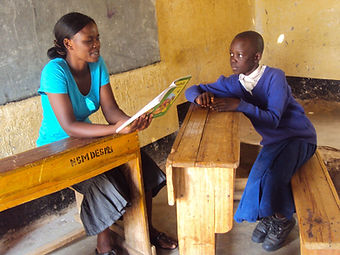
Launched in April 2025, Reading Circles are one of the LCRCโ€™s most vibrant literacy efforts. These community-led sessions bring students, teachers, and volunteers together to read aloud, ask questions, and share stories.

Each week, children gather across Musoma Ruralโ€”under mango trees and in classroomsโ€”to experience the joy of books.

“Just seeing these photos made my heart sing. I truly believe this experience is going to change students’ lives and transform education in this part of the world!”
โ€” Dr. Andrea Trudeau, TDS Board Member

Thanks to Andreaโ€™s leadership and a generous $2,000 fundraising effort, hundreds of children now benefit from this program. Special thanks to Joyce, Moses, and Fr. Otieno, who are leading efforts on the ground.

“Creating a reading culture in Musoma Rural schools and villages will pay dividends for generations to come.”


๐Ÿ‘ถ Early Literacy: Laying the Foundation

Alongside Reading Circles, the LCRC runs two early reading programs that collectively reach over 100 children annually:

  • Pre-Primary Reading Program (ages 3โ€“5): A half-day experience introducing numbers, letters, and storytelling.
  • Early Reading Program: In partnership with Nyegina Primary School, this supports children who need additional help with reading.

Together, these programs build skills, spark curiosity, and nurture confidence.


๐Ÿ’ก Literacy Is Power

In a world where access to information defines opportunity, literacy is not a luxuryโ€”itโ€™s a necessity. For the students of Musoma Rural, itโ€™s the bridge to a future where they can lead, contribute, and thrive.

At TDS, we believe literacy transforms lives. And we thank every teacher, volunteer, donor, and advocate helping us turn this belief into action.


โœจ How You Can Support

  • ๐Ÿ“š Sponsor books or literacy materials
  • ๐Ÿ’ป Volunteer to support our education initiatives
  • ๐Ÿ™‹๐Ÿฝโ€โ™€๏ธ Become a recurring donor
  • ๐Ÿ“ข Share this story and raise awareness

Learn more at www.tdsnfp.org or email us at info@tdsnfp.org.

About Renรฉe
Renรฉe Jones is the Founder and Principal Consultant atย Red Hills Consulting Group, where she leads strategic, operational, and transformational initiatives for Fortune 500 companies, nonprofits, and mission-driven organizations. With more than 20 years of experience leading complex initiatives, Renรฉe helps organizations turn bold ideas into lasting impact. Outside of work, she mentors emerging leaders and champions social-impact innovation. https://redhillsconsultinggroup.com

When Girls Learn, Communities Rise

May 28, 2025

Written by Renรฉe Jones, TDS Board Member

In rural Tanzania, education can be a lifelineโ€”but for most girls, itโ€™s a path strewn with obstacles. In the Mara region, a large percentage of girls do not complete secondary school, despite strong evidence that education leads to better health, economic stability, and brighter futures for entire communities.

At Tanzania Development Support (TDS), we believe that every girl deserves the chance to stay in school and thrive. Through our work in the regionโ€”especially via the Rose and Karl Willmann Scholarship Fundโ€”weโ€™ve seen firsthand how much potential lies within these young women, and how much is at stake if theyโ€™re forced to drop out.

This is more than an education crisis. Itโ€™s a matter of equity, opportunity, and generational transformation.

Poverty: When Education Is a Luxury

Even in public schools, education is not free. Uniforms, books, meals, sanitary supplies, and boarding fees add up quickly. For families already struggling to make ends meet, the choice is often between feeding the family and sending a daughter to school. In many cases, boys are prioritized for education while girls are expected to help at home or generate income. Education becomes a luxuryโ€”not a right.

TDS works to change that narrative. Through the Willmann Scholarship Fund, we remove these financial barriers. The scholarship covers everything a student needsโ€”from tuition and uniforms to housing and mealsโ€”so that she can focus on learning and thriving.

As one student wrote:

โ€œMy good academic performance has been influenced by the presence of good environment for studying and peace of staying in school without returned home to take the school fees.โ€

By becoming a contributor to the Willmann Scholarship Fund, you are helping change the future for dozens of gifted girls in the Mara. A full scholarship is $900 annually and covers all the expenses for a girl to attend Nyegina Secondary School. A monthly donation of $75 is an affordable way to sponsor a girl. Consider changing the life of a girl and her future family by becoming a sponsor today.

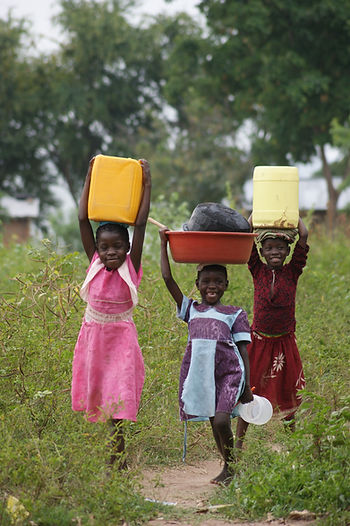
The road between Nyegina and Mkirira is about 12km across rolling hills. Until the recent completion of a new public secondary school in Nyegina, students would make the walk twice a day to attend secondary school in Mkirira.

Distance: When the Journey to School Is Too Far

In rural areas, many girls walk 5 to 10 kilometers each way to reach school. These long, exhausting commutesโ€”often before sunrise and on empty stomachsโ€”are physically dangerous and emotionally draining. Safety is a serious concern. Parents may pull girls out of school to protect them, especially as they approach adolescence.

Thatโ€™s why TDS has supported the construction of a dormitory, allowing 160 girls to live where they learn at Nyegina Secondary School. This drastically reduces their risk, fatigue, and dropout rates, creating a more supportive learning environment.

As one scholarship recipient shared:

โ€œI have peace because I am not walking many miles every day to go to school. I am in boarding and I have enough time to study and learn many things from teachers and my fellow students because we are coming from different tribes.โ€

Tradition: When Culture Clashes with Opportunity

Deeply rooted social norms often dictate that a girlโ€™s primary role is to marry young, care for siblings, and support her householdโ€”not to pursue education. Girls are taught to stay quiet, stay close, and stay home.

But we know that when girls stay in school, they gain confidence, earn more over their lifetimes, delay early marriage, and make informed decisions about their health and future.

Through programs like Reading Circles and 4H Career Pathways, TDS helps girls reimagine whatโ€™s possible. These spaces introduce them to new ideas, new skills, and new futuresโ€”beyond what tradition may have taught them.

“My dream is to be a nurse and my subjects I like is chemistry, Geography and Biology. I study hard in order to fulfill my dream. Apart from that I wish to be a big trader in Tanzania and outside of Tanzania also to support and help People with basic needs like poor girls, disabled, and other groups as the way you, did to me am continue to thank for your kindness. Now I am writing this message by using computer of Madaraka Nyerere Resource Center and I am learning computer studies.โ€

โ€œThrough your support you have created a good bridge for my future.โ€

The Ripple Effect of Education

The challenges are realโ€”but so is the potential. When one girl is educated, her whole community benefits. She becomes an advocate, a wage-earner, a mentor, a mother who insists her childrenโ€”daughters and sonsโ€”go to school.

I think often of the girls in the Willmann Scholarship Program, many of whom write us to share their goals of becoming teachers, doctors, engineers, or community leaders. They are determined. They are bright. They are ready. We just need to help them stay the course.

As several girls have said:

โ€œThrough this chance you gave me, it enabled me to study at good environment where there are all resources and I wish through this I will get great success in my form four national exams.โ€

โ€œAlso I am the only one who has got this secondary education in my family. So, after getting this opportunity my family was very happy and they know that one day I will be a good and a great person in my life.โ€

โ€œItโ€™s a very big sacrifice that youโ€™ve made because paying such a lot of money for someone that you donโ€™t know and you never meet needs a person with heart of helping. If could not be you I could not be here I am. Iโ€™ve studied from form one up to form four without being returned at home for failing to pay school fee. THANK YOU VERY MUCH.โ€

As a sponsor, Iโ€™ve experienced firsthand how rewarding it is to support a Willmann Scholar. Iโ€™ve had the privilege of sponsoring a bright and determined student in secondary school. Reading her letters, learning about her goals, and seeing her progress has been deeply moving. I hope to meet her one day soon and witness the impact of this opportunity in her life. 

Hereโ€™s How You Can Help

  • Sponsor a Willmann Scholar and provide full support for her education journey
  • Share this story to raise awareness of the barriersโ€”and the breakthroughs
  • Donate to our programs to expand access and impact across the region 

Because when girls learn, communities rise. And when we invest in their futures, weโ€™re investing in our shared humanity. Letโ€™s remove the barriers. Letโ€™s open the doors. Letโ€™s walk beside these girls as they pursue the futures they deserve.

Click Here to Support a Scholarship

About Renรฉe
Renรฉe Jones is the Founder and Principal Consultant at Red Hills Consulting Group, where she leads strategic, operational, and transformational initiatives for Fortune 500 companies, nonprofits, and mission-driven organizations. With more than 20 years of experience leading complex initiatives, Renรฉe helps organizations turn bold ideas into lasting impact. Outside of work, she mentors emerging leaders and champions social-impact innovation. https://redhillsconsultinggroup.com